

Types of Dementia (brain failure)
Dementia is an umbrella term for a range of conditions that cause a significant decline in mental ability that interfere with daily life. Dementia is caused by damage to or loss of nerve cells and their connections in the brain. There are more than 80 ways that the brain can fail. Healthcare professionals organize the different types of brain failure by root pathology.


Neurodegenerative & Genetic
Alheimer's disease
Lewy Body dementia
Frontaltemporal dementia
Parkinson's disease
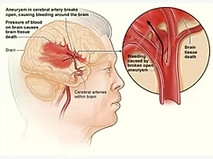
Vascular & Infections
Brain aneurysm dementia
Neurosyphilis dementia
Subcortical vascular dementia
Multi-infarct dementia
Cerebral vascular accident (CVA)
Stroke

Traumatic & Toxic/Metabolic
Traumatic brain injury (TBI)
Korsakoff dementia
Substance-induced dementia
Chronic traumatic encephalopathy

Structural & Rare
Normal pressure hydrocephalus
Huntington's disease
Brain tumor
Creutzfeldt-Jakob disease
CADASIL - Cerebral Autosomal Dominant Arteriopathy with Subcortical Infarcts and Leukoencephalopathy
Subdural hematoma dementia

Understanding Dementia
The term "dementia" is an overall term for a loss of cognitive functioning - thinking, remembering and reasoning - that interferes with daily life. While there are more than 80 known underlying diseases and conditions that cause dementia, the brain failure is most commonly organized by the root pathology.
The most common pathologies are: Alzheimer's disease, Lewy Bodies dementia, Frontotemporal dementia and mixed dementia. Other types and causes encompass numerous other conditions including: neurodegenerative & genetic, vascular & infections, traumatic & toxic/metabolic, structural & rare.
Dementia is more than just memory loss; it is brain failure due to brain changes, diseases and conditions characterized by a decline in memory, language, problem-solving and other thinking skills that affect a person's ability to perform activities of daily living. Some types of dementia are permanent and incurable. Some types of brain failure can be temporary, such as brain failure due to a urinary tract infection (UTI) or "Aids Brain" (when a person stops taking his/her medications).